


Attracting traffic to your website is just the beginning. The hard part, and where the real potential for growth exists, is in turning those visitors into leads, customers, or subscribers. Many companies spend a lot of time and money on SEO, advertising, and content marketing, but fail to see the return on investment because their website isn’t optimized for conversion.
Conversion on a website isn’t about gimmicks or being pushy. It’s about understanding user behavior, removing barriers, establishing trust, and nudging visitors toward the right action at the right time. When done right, even small gains can drive huge revenue boosts without increasing traffic.
Let’s take a closer look at how website conversion works, why many websites fall short, and how a thoughtful approach to optimization, coupled with the right tools and services, can make a world of difference.
What Website Conversion Really Means?
A website conversion occurs when a visitor takes a desired action. This action may include filling out a contact form, subscribing to a newsletter, scheduling a call, downloading a resource, or making a purchase.
Conversion rate is simply the percentage of visitors who take the desired action. If your website receives 10,000 visitors per month and 200 of them convert, your conversion rate is 2%.
Boosting website conversion rates doesn’t necessarily mean you need more visitors. In fact, boosting conversion rate is often the quickest and most affordable way to increase your traffic because you’re optimizing the traffic you already have.
Why Most Websites Fail to Convert?
Most websites fail to convert not because the offer is poor, but because the experience is confusing or unconvincing. This could be due to a number of reasons, including poor messaging, slow loading times, poor mobile experience, poor calls to action, or the absence of trust elements.
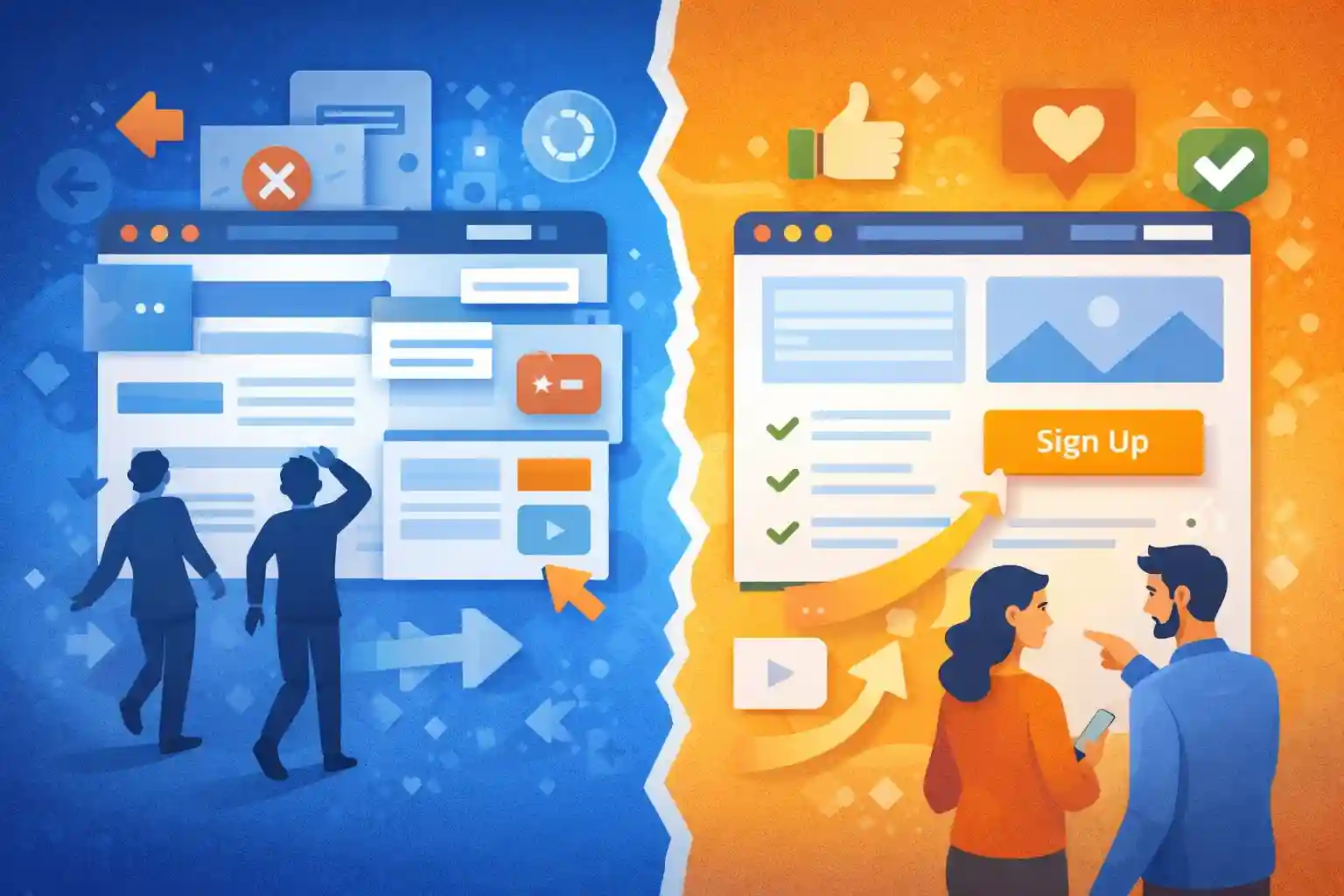
Visitors do not spend time “trying to figure out” a website. They scan, evaluate, and conclude quickly. If your website does not immediately communicate value and direction, visitors will leave, even if they were interested. Conversion optimization begins with removing these obstacles.
Begin with Clear Value and Messaging
One of the most common reasons why websites fail to convert visitors is a lack of clear messaging. When people visit your website, they should be able to immediately answer the following three questions:
- What you do
- Who it’s for
- Why it matters
If visitors have to scroll down, read extensively, or try to figure out what you do, then you’ve already lost them. Effective website development and copywriting, such as what DigiForBiz is all about, will help you structure your messaging for clarity, not just creativity.
Optimize Page Speed and Performance
Page speed is directly related to conversion. A page that loads slowly will result in a high bounce rate and a lack of trust. The subconscious mind links speed with professionalism and reliability. Design elements such as large images, poor layout structure, and unoptimized files can slow down pages. This is why page speed is part of conversion optimization and not just maintenance.
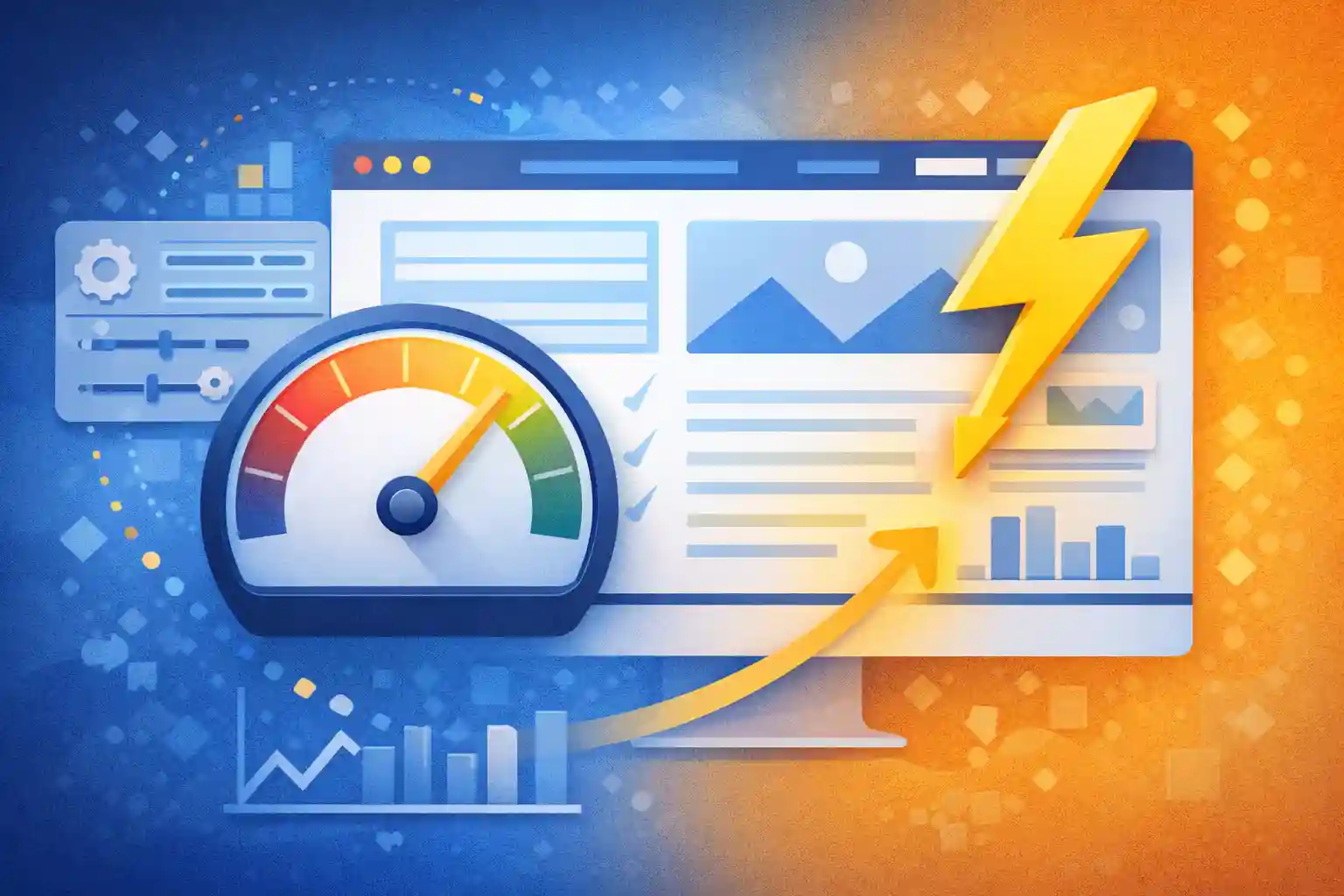
SEO and page speed analysis tools can be used to identify areas that impact page speed. DigiForBiz websites are designed with speed in mind to load quickly and keep the visitor engaged long enough to convert.
Optimize for Mobile Conversions First
A significant number of conversions take place on mobile devices. However, most websites are designed with mobile as an afterthought. Difficulty in filling out forms, small buttons, and cluttered designs are some factors that negatively affect mobile conversion rates.
Mobile conversion optimization is all about simplicity – removing distractions, prominent calls-to-action, readable content, and simple interactions. A mobile-first design will ensure that visitors can easily convert from any device.
This is where the role of professional web design services becomes extremely important, as mobile usability affects conversions and SEO.
Guide Users with Powerful and Purposeful Calls to Action
An undirected website is unlikely to convert. Website visitors require direction, not pressure but guidance.
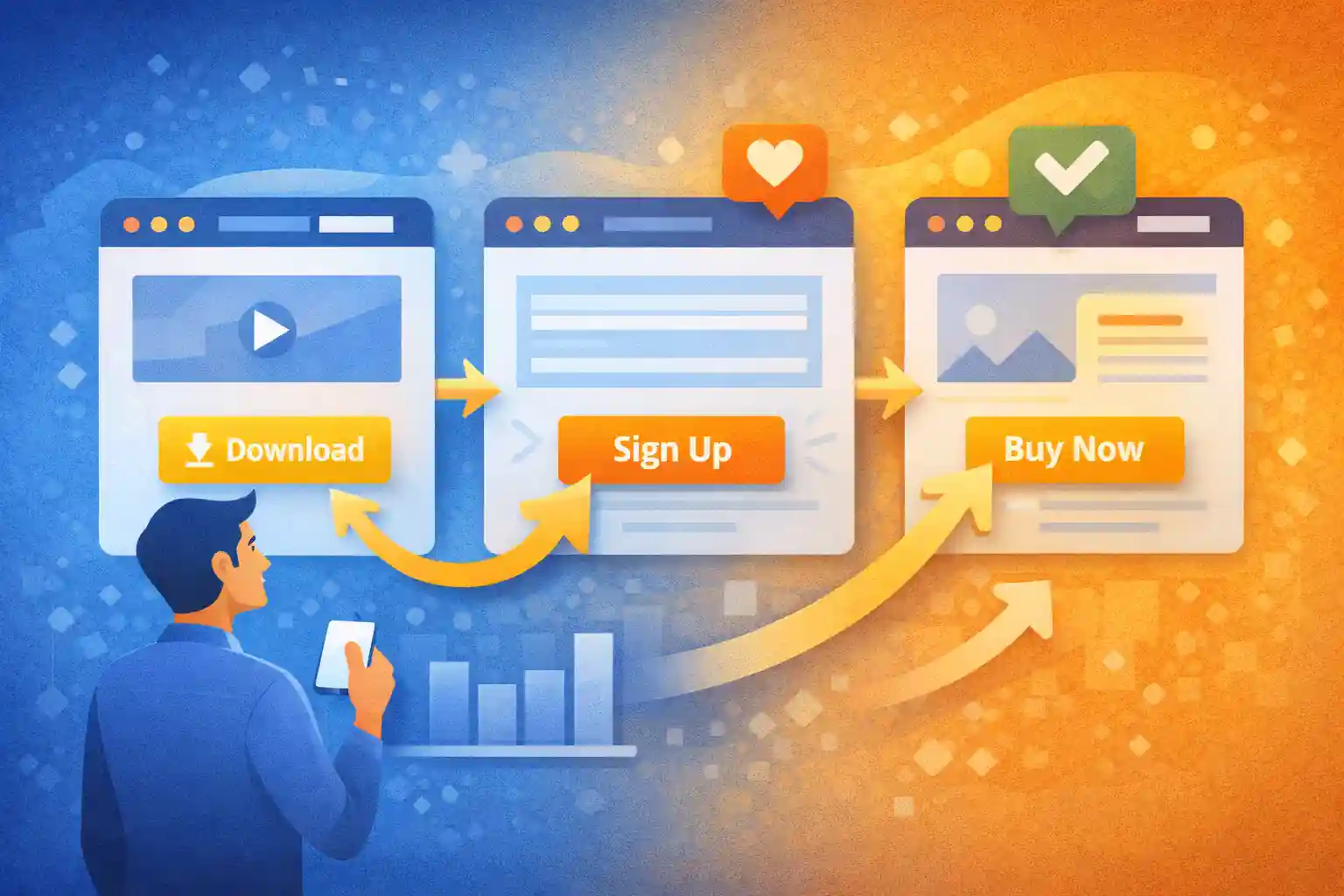
Calls to action should be natural, visible, and relevant to the visitor’s position in the process. A visitor reading an information blog post may not be ready to purchase but could be receptive to subscribing or downloading a resource.
Conversion-driven websites employ CTAs thoughtfully throughout the site, leading visitors through the process one step at a time rather than nudging them.
Also read: Stop Losing Visitors: Common Web Design Mistakes No One Warned You About
Establish Trust Before Asking for Action
Trust is an important conversion element. Visitors are more likely to convert when they trust your brand.
The following are elements of trust:
- Branding and design consistency
- Testimonials or reviews
- Case studies or success stories
- Secure forms and policies
- Professional design and typography
Websites that appear outdated, inconsistent, or too generic will have difficulty gaining the visitor’s trust. This is why design quality impacts conversion rates.
DigiForBiz stresses the importance of credibility-driven design, where your website appears trustworthy before asking for action.
Simplify Forms and Conversion Paths
One of the biggest conversion killers is a complicated form. When you ask for too much information too soon, it’s a barrier to conversion.
The best forms are shorter and have fewer required fields. Each field on a form should have a specific purpose. If information isn’t necessary, it’s better left out.
Conversion optimization software and page analysis can determine where users are dropping off. Optimizing these points of contact often yields fast conversion gains.
Use Data to Compare and Improve Pages
Not all pages are created equal. Some pages convert better than others, and it’s important to understand why.
With page comparison software, you can compare high- and low-performing pages. This includes layout, content length, call-to-action placement, and visual hierarchy.
DigiForBiz SEO software like the page comparison and SEO analyzers enable businesses to see what works and what doesn’t, and make informed decisions.
Align SEO and Conversion Optimization
SEO can drive visitors to a website, but conversion optimization can turn them into customers. Both processes should be aligned, not done separately.
For instance:
- Pages for search engine optimization should be optimized for readability and intent
- Content should align with the expectations of search queries
- Keywords should be aligned with user intent, not just volume
Keyword density tools and SEO analyzers can be used to ensure that content is optimized but not over-optimized, making it readable and relevant at the same time.
An optimized page will attract the right visitors and convert them.
Enhance Authority and Credibility Signals
Visitors are more likely to convert if they feel that the website is authoritative. Although Domain Authority (DA) and Page Authority (PA) are not direct conversion drivers, they are often linked to trust, quality, and brand strength.

A DA/PA checker can be used to compare your website with your competitors and identify areas where building authority is required.
Final Thoughts: Conversion Is About Experience, Not Pressure
It’s not about forcing conversions on your website visitors — it’s about building an experience that makes conversions feel like the most natural thing in the world.
When your website is clear, fast, trustworthy, and easy to use, conversions will follow as a direct result of good design and optimization. The key is not to force the issue but to eliminate friction and provide value at every turn.
If your website is seeing traffic but not conversions, the opportunity is not lost — it’s simply waiting to be unlocked.
Also read: The Ultimate AI SEO Checklist for 2026
About The Author