


In the ever evolving world of SEO, learning and understanding how Search engines perceive the quality of a website is very important. One of the key metrics professionals and digital marketers rely on – especially when assessing the health of a link and credibility of a website is spam score. This metric is often overlooked, and yet it plays a very important role in diagnosing potential SEO issues before they can create serious ranking problems.
In this deep dive, I am going to explore what is spam score, and how it affects SEO ranking. I am also going to explain how and why you should monitor it alongside domain authority (DA) and page authority (PA), and many other tips that would help you improve spam score and overall SEO performance.
What is Spam Score in SEO?
Spam score is a metric in SEO originally developed by Moz. It predicts the likelihood of a website being considered engaging in risky SEO practices or being spammy, based on a set of known flags or indicators. Every site is analysed for specific characteristics such as the quality of backlink profiles, the usage of keywords, and the content, and is then assigned a score that reflects the risk profile of that particular domain.
Unlike the official ranking signals by Google, Spam Score is not used directly by Google’s algorithms. It is instead a predictive, third party metric, that allows SEO professionals and webmasters to understand the potential problems that would correlate with poor search performance.
Typically, the Spam Score is presented on a scale of 0 to 100, (or in Moz’s original flag based model, 0 to 17). Lower scores suggest a healthier, authoritative site, and a higher score suggests the risk factors that may hinder the performance of the website.
Important note: Spam Score is a third-party diagnostic metric and is not used by Google as a direct ranking factor. It should be treated as a risk-assessment tool, not a penalty indicator.
Why Does Spam Score Matter in SEO?
At first glance, you may think that your spam score is simply another statistic, but in fact, it helps you gather important insights regarding the website’s trust factors, as well as the quality of the content or the health of the links themselves. Here are some of the most important factors of your Spam Score:
- It Indicates the Risk of Penalties or Ranking Drops:
While the spam score is not a first-hand penalty of Google, websites having higher spam indication types often bear common factors with websites that are subjected to actual penalties over manipulative backlink practices or poor quality content.
- It Highlights the Backlink Problems:
Back links will always remain a foundational SEO signal. Low quality back lengths from an irrelevant website can degrade a site’s trustworthiness. The spam score helps users identify when the link profile is potentially harmful.
- Improves Competitive Analysis:
When comparing a site to the competitors, understanding who has the healthier link profiles and a lower spam score provides insights into why these competitors might be out ranking you.
- Predictive Risk Management:
Identifying the spam indicators early on empowers the team to fix issues before they can escalate into real ranking drops or losses of credibility.
What Signals Contribute to Spam Score?
- Common Moz Spam Signals (Examples)
- Low number of branded links
- High exact-match anchor text
- Links from low-authority or irrelevant domains
- Thin or duplicate content pages
- Excessive outbound links
- Domains with very few pages but many links
- Lack of HTTPS or trust pages (About, Contact, Privacy)
How Does Spam Score Affect SEO Ranking?
- Higher Spam Score Leads to Higher Risk of Ranking Issues
When the score is too high, it implies that the domain may have some features which are common with spammers. Some of the common features include trends that may not perform well with the search engine.
- Weak Content Signals
High-scoring spam sites tend to lack substantial, user-based content-the very thing search engines reward. When there’s little strong content, ranking potential is lost.
- Damaged Backlink Profiles
This in turn means that if there are any backlinks with poor quality, Spam Score reflects it and shows bad trust. The lesser your link profile, the more difficult it is to work on improving the rankings.
- Indirect Google Penalties
While Spam Score itself doesn’t cause penalties, the underlying issues it identifies-toxic links, for example-can be the cause of algorithmic downgrades or even manual actions themselves.
Interpreting Spam Score Values
While the exact scale varies with the tool that you are using, here is a practical way to understand the Spam Score ranges that are commonly used in SEO:
| Spam Score | What It Means |
| 0 – 10% | Very Low Risk (The link profile is healthy) |
| 11 – 30% | Moderate Risk (Issues need to be monitored) |
| 31 – 60% | High Risk (Corrective actions need to be taken) |
| 61 – 100% | Very High Risk (Immediate cleanup is needed) |
How to Reduce Your Spam Score: Practical Tips
Lowering the Spam Score is all about improving the trust signals, and removing or avoiding SEO practices that are harmful. List of steps you can take to help lower your Spam Score are as follows:
- #1 Auditing the Backlinks Regularly: Auditing of Backlinks regularly With the help of this, it will become easy to spot any unconnected or spammed links. It may be noted that if poor domains are linking to your own domain, they may be rejected.
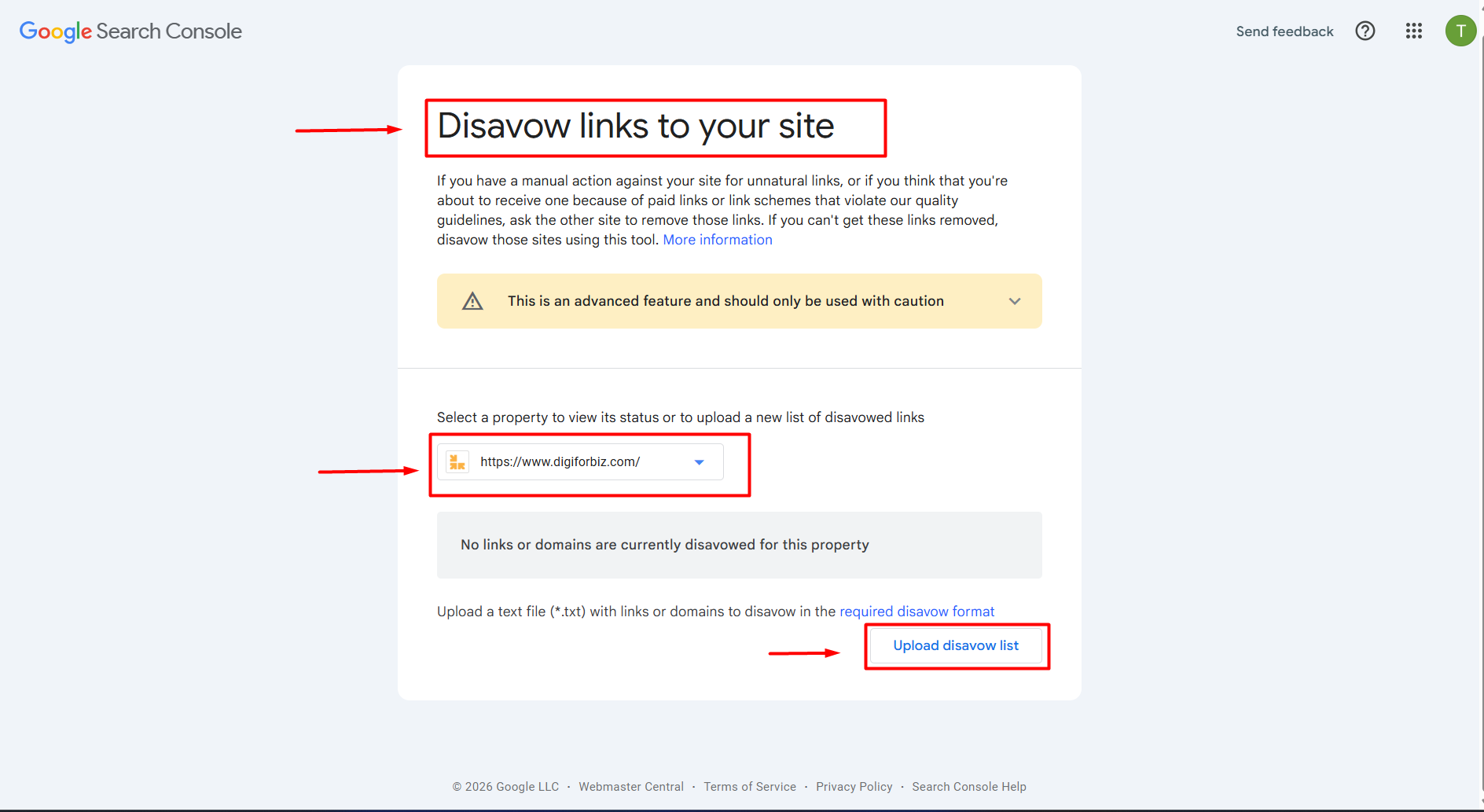
- #2 Using Google’s Disavow Tool (Carefully): If certain spammy backlinks cannot be removed manually, Google’s Disavow Tool can be used as a last resort. While it does not directly reduce Spam Score, disavowing harmful links helps resolve the underlying link issues that contribute to higher spam risk. This should only be done after a thorough backlink audit.
- #3 Removing Low Value Content: Duplicated content written in a poor manner can make your online page appear to be spam. Improve your content quality by frequently updating your online pages.
- #4 Avoiding Spammy SEO Tactics: Avoid keyword stuffing, concealed text, excessive advertising, and doorway pages.
- #5 Building Links That are of High Quality: Prioritize building links from high-quality and niche-specific sources. Guest posting on quality websites and Digital PR can aid with this.
- #6 Regular Monitoring: Integrate into tool maintenance activities like DigiForBiz DA/PA & Spam Score Checker. This free browser based tool allows you to quickly check Domain Authority (DA), Page Authority (PA), and Spam Score all in one place. It taps into Moz’s API to provide data that allows you to understand both the ranking strength and risk. This tool is essential because there is no signup required, it is free to use, and it provides competitor benchmarking, with instant insights.
How to Check Spam Score of a Domain for Free?
Step 1. Open the tool page from the above link.
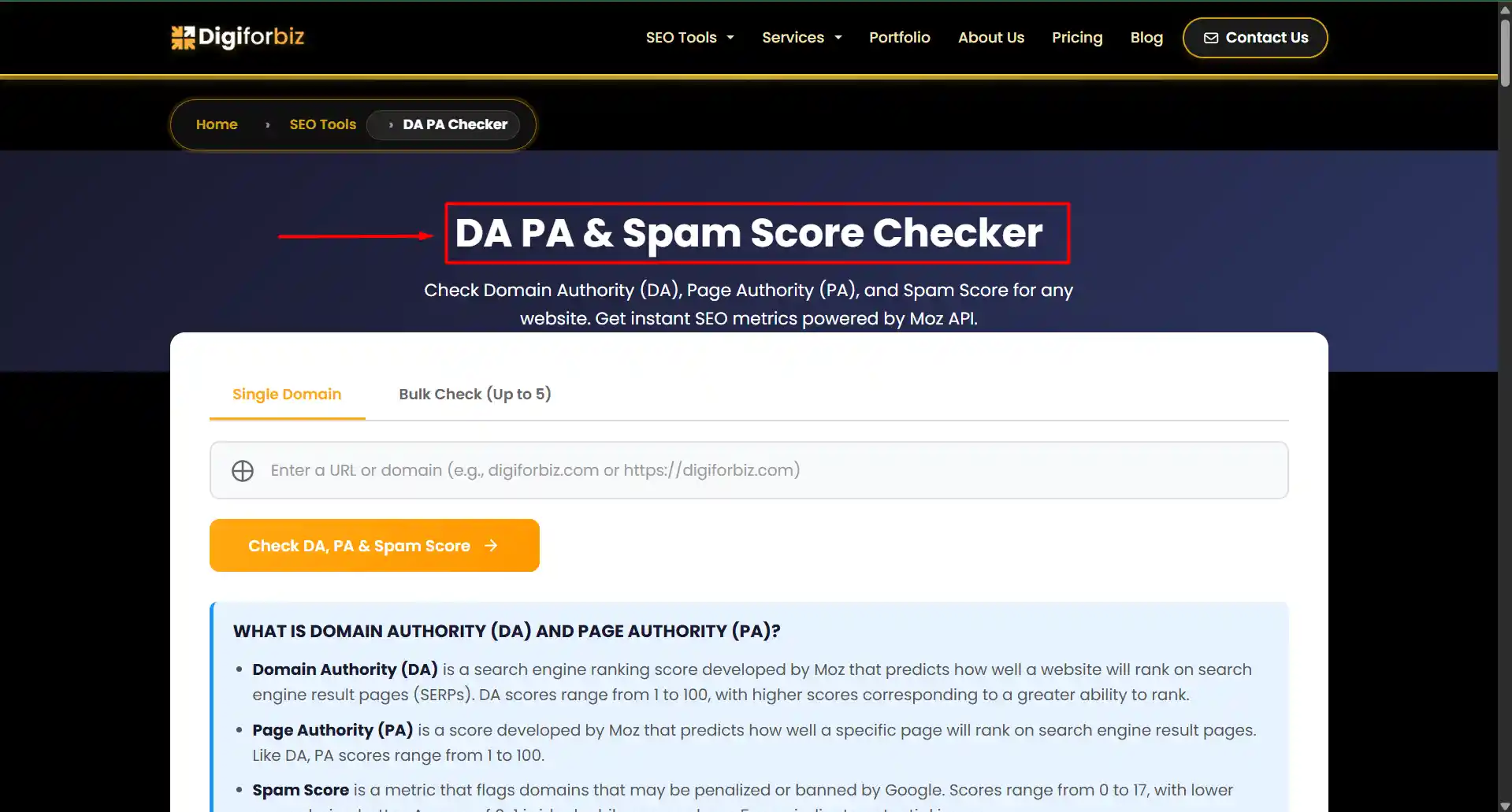
Step 2. Enter domain name, and clik on check DA, PA & Spam Score. For the instance we are checking the data for https://www.apple.com/.
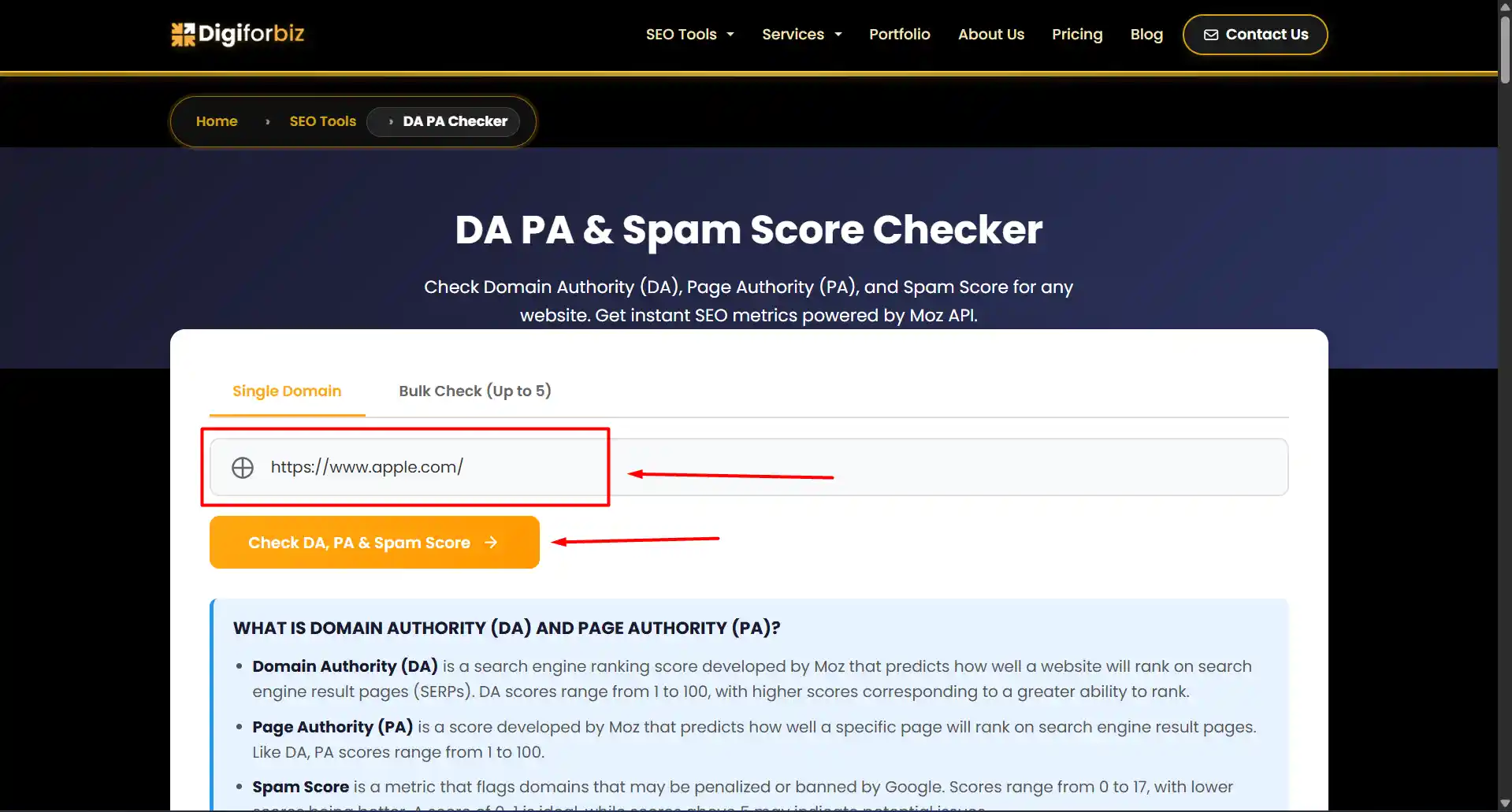
Step 3. It provides you not only the spam score but also offers DA, PA, and Moz Rank. The tool uses MOZ api to fetch the most accurate data.
A combination of Spam Score results with DigiForBiz’s DA/PA & Spam Score Checker tool can help you:
- Diagnose risk signals
- Evaluate health of backlinks
- Improving authority metrics (DA & PA)
- Optimizing the content and link strategy
- Boost SEO performance sustainably
Integrating the Spam Score into your SEO Strategy
Spam Score, however, should not be regarded in a standalone manner, rather as part of a wider SEO Strategy:
- Combine with DA & PA: Low Spam Score along with a higher DA and PA is a combination that would signal trust, and potential for ranking.
- Use Data to Guide Content Strategy: If your high value pages have moderate or high Spam Score, focus on improving your content for these pages.
- Benchmark Competitors: Compare your Spam Score rankings with your competitors to see who has stronger trust and link profile.
- Predict SEO Performance: Sites with a low Spam Score perform better through algorithm updates than those with poor linking habits.
Conclusion
In this detailed article, i have explaied what is spam score and how it affects your SEO rankings. Getting and monitoring your spam score is a requirement if you’re serious about search engine optimization. In a way, this is not directly used as one of the ranking criteria by search engines like Google, yet this metric is closely related to the overall quality and trustworthiness of your site, and this is highly related to your overall ranking power.
This is where professional SEO audits and link-quality analysis, such as those offered through DigiForBiz SEO services, help identify hidden risks and build long-term search trust.
SEO is not about ranking; SEO is about making trustful and user-friendly websites that various search engines understand, appreciate, and reward.
About The Author